10 Tourism & Hospitality Trends Shaping Cape Town
- Bella Fernandez
- Mar 25
- 4 min read

Cape Town is a destination where mountains meet the sea, where cultures blend, and where hospitality feels personal and heartfelt. In recent years, the city has also become one of Africa’s strongest tourism and hospitality performers, attracting global attention for its rapid growth, rising hotel demand and expanding investment landscape. For travelers, this means a destination that is more vibrant, more accessible and more experience‑driven than ever before. For hospitality students and professionals, Cape Town offers a real‑time case study in how a city can rebound, innovate and redefine its tourism identity.
In this post, I’ll explore 10 key trends shaping Cape Town’s tourism and hospitality industry and why they matter for anyone interested in the future of travel. Each trend is supported by recent performance data and industry insights, giving you a clear picture of where Cape Town is headed and why it’s becoming one of the most exciting destinations on the continent.
Why these trends matter
Tourism is one of Cape Town’s most important economic drivers, supporting hotels, restaurants, transportation, events, real estate and thousands of local jobs. When hotel occupancy rises, when international visitors return and when new developments break ground, the ripple effects are felt across the entire region.
Understanding these trends helps travelers make informed decisions, helps hospitality professionals anticipate demand and helps students see how global tourism evolves in real time. Cape Town’s recent performance including record occupancy, rising room rates and booming investment shows a destination not just recovering, but accelerating.
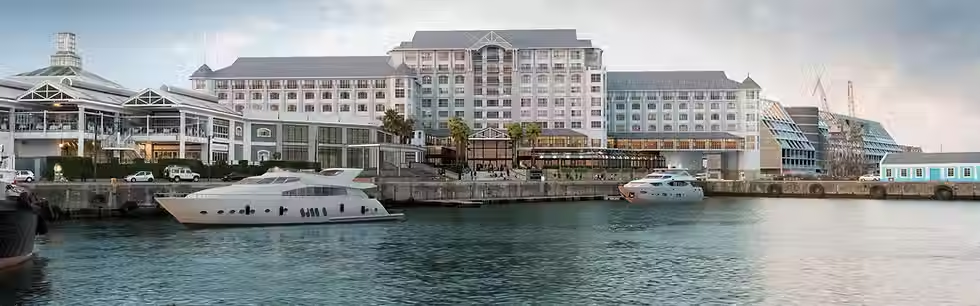
1. Cape Town Leads South Africa in Hotel Occupancy
Cape Town achieved a 72.5% hotel occupancy rate in April 2025, the highest among all major South African cities. This trend reflects a powerful rebound in demand, driven by both leisure travelers and business visitors. High occupancy also signals strong traveler confidence and positions Cape Town as a top-performing destination in Africa’s hospitality landscape.
2. Revenue Per Available Room (RevPAR) Is Surging
Cape Town’s RevPAR increased 20.1% year over year, reaching ZAR 2,286.63. RevPAR growth is one of the clearest indicators of a healthy hotel market. It shows that not only are more rooms being filled, but hotels are earning more per room, a sign of strong demand and improved pricing power.
3. Average Daily Rate (ADR) Continues to Rise
The city’s Average Daily Rate climbed 17.7%, reaching ZAR 3,145.96. Higher ADR means travelers are willing to pay more for quality stays, especially in premium and lifestyle hotels. This trend also reflects Cape Town’s growing reputation as a destination that offers high‑value experiences.
4. The Western Cape Outperforms the National Average
The broader Western Cape recorded 64.6% occupancy, significantly higher than the national average of 56.3%. This shows that Cape Town’s tourism success is lifting the entire region from coastal towns to wine country creating opportunities for hospitality businesses beyond the city center.
5. Luxury Hotels Are Thriving
Cape Town’s luxury hotel segment achieved 66.2% occupancy, outperforming Johannesburg and Pretoria. Travelers are increasingly seeking premium experiences, from ocean‑view suites to curated wine tours. This trend highlights Cape Town’s growing appeal to high‑spending international visitors and strengthens its position in the global luxury market.

6. International Tourism Is Fueling Growth
Cape Town welcomed 4.2 million international visitors in 2024, contributing significantly to hotel demand and local spending. International travelers tend to stay longer and spend more, making them a crucial part of Cape Town’s tourism ecosystem. Increased direct flights from Europe and the U.S. are also helping fuel this growth.
7. Airbnb Competition Is Reshaping the Market
Cape Town has approximately 26,870 Airbnb listings, creating strong competition for traditional hotels. This trend is pushing hotels to differentiate through elevated service, curated experiences and premium amenities. It also reflects travelers’ growing interest in flexible, residential‑style accommodations.
8. Business & Events Tourism Is Expanding
Cape Town continues to grow as a Meetings, Incentives, Conferences and Events (MICE) destination, supported by strong infrastructure and global connectivity. Business tourism helps stabilize demand throughout the year, reducing reliance on seasonal leisure travel. It also attracts high‑value visitors and supports hotels, venues and local service providers.
9. Real Estate Investment Is Booming Alongside Tourism
Cape Town’s average property value reached R13,400 per square meter, surpassing Johannesburg and Pretoria. Tourism growth often drives real estate investment, and Cape Town is no exception. Developers are focusing on mixed‑use and lifestyle‑driven projects that appeal to both residents and visitors.
10. Cape Town Is Emerging as Africa’s Top Hospitality Investment Hub
The city is hosting the Future Hospitality Summit Africa, attracting global investors, hotel brands and developers. This trend underscores Cape Town’s rising influence in the global hospitality sector. Hosting major investment conferences signals confidence in the city’s long‑term growth and positions it as a hub for innovation and deal‑making.

Conclusion
Cape Town’s tourism and hospitality industry is experiencing a remarkable period of growth, driven by rising hotel performance, strong international demand, expanding luxury offerings and booming investment. These trends paint a picture of a destination that is not only recovering from global disruptions but emerging stronger, more dynamic and more globally competitive than ever.
For travelers, this means more choices, better experiences and a destination that continues to evolve. For hospitality professionals and students, Cape Town offers a real‑world example of how data, demand and development intersect to shape the future of tourism.
Call to Action
If you’re interested in more insights on global hospitality, destination storytelling or travel trends, connect with me on LinkedIn and follow my blog. I will share updates, reflections and industry perspectives as I continue exploring the world of tourism and public relations.

Comments